Artificial Intelligence is no longer just a buzzword hidden in the settings of your mobile device. In 2026, the “AI Phone” has become a distinct category of hardware, fundamentally changing how Indians interact with their screens. From real-time language translation for India’s diverse regions to cameras that “re-light” a photo after it has been taken, these devices are designed to think rather than just execute commands.
What Exactly is an AI Phone?
An AI Phone is a smartphone built with a dedicated Neural Processing Unit (NPU) that allows complex tasks to happen on the device itself rather than in the cloud. While older phones used AI for simple battery management, the 2026 generation focuses on “Generative AI.” This means your phone can now write emails in your personal tone, create unique emojis (like Apple’s Genmoji), and even summarize a 20-minute office call into five key bullet points.
In the Indian market, this shift is significant. Brands like Samsung and Google have moved away from marketing “megapixels” and “screen size,” focusing instead on “contextual intelligence.” These phones learn your daily routine, such as automatically pulling up your QR code for payment when you enter a grocery store or silencing work notifications the moment you reach home.
Major Launches and Features for 2026
The start of 2026 has already seen major activity in the Indian tech space. The Samsung Galaxy S25 Ultra and the iPhone 17 series have set the benchmark for flagship AI capabilities. Apple’s latest A19 chip now features a 16-core neural engine, making Siri context-aware, meaning it can remember a conversation you had three days ago to help you complete a task today.
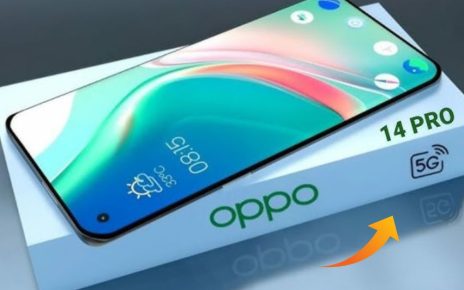
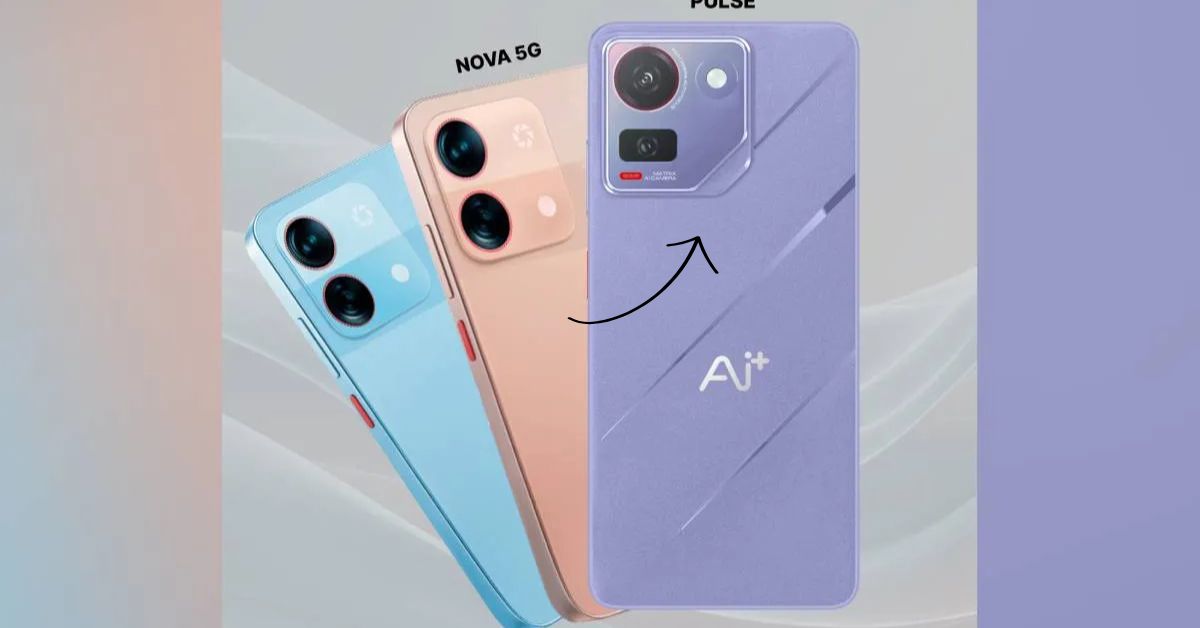
Meanwhile, the OPPO Reno15 series, launched in India in January 2026, has brought high-end AI imaging to a more accessible price point. Its “AI Portrait Glow” feature analyzes the ambient lighting of a scene—whether you are in the brightly lit streets of Mumbai or a dim cafe in Bengaluru—and adjusts the digital light to make the subject pop. Even budget-friendly brands like Ai+ (a homegrown Indian brand) are pushing “Applied Intelligence,” focusing on data security and storing user information locally on Indian servers to address privacy concerns.
Flipkart Republic Day Sale 2026: AI Phones Get Cheaper
For most Indian buyers, the entry point into this technology is through major e-commerce events. The ongoing Flipkart Republic Day Sale (January 2026) has seen massive price drops on AI-heavy devices. The iPhone 17, which launched at ₹82,900, is currently being offered for an effective price of ₹74,900 after bank discounts.
Other notable deals include the Nothing Phone (3), which features the Snapdragon 8s Gen 4 chip, selling for around ₹39,999. Flipkart has also integrated its own AI shopping assistant, which analyzes your wishlist to suggest the best time to buy, making the shopping experience as “smart” as the products themselves.
Why This Matters for the Indian User
The impact of AI phones in India goes beyond fancy photo filters. Real-time, offline translation is perhaps the most useful feature for a country with 22 official languages. Modern AI phones can translate a live phone call between a Hindi speaker and a Tamil speaker without needing an internet connection.
Furthermore, AI-driven security is now standard. These phones can detect “voice spoofing” or deepfake attempts during video calls, protecting users from the rising wave of digital scams. As 5G networks become more stable across the country, the combination of high-speed data and on-device AI is making the smartphone an indispensable personal assistant.
Read More : Vivo Y21
What Happens Next?
As we move further into 2026, we expect AI to move from flagship models to the “budget” segment (under ₹15,000). Industry experts predict that by the end of the year, over 12% of all smartphones shipped in India will be fully AI-capable. The focus will likely shift toward “Agentic AI,” where your phone won’t just suggest a restaurant but will actually interact with the booking app to reserve a table for you.
Frequently Asked Questions (FAQs)
1. Do I need a special SIM card for an AI phone?
No, you do not need a special SIM card. AI features depend on the phone’s internal processor (the chip) and software. Any 4G or 5G SIM will work perfectly fine.
2. Does AI make the phone battery drain faster?
Actually, it is often the opposite. Modern AI is used to study your usage patterns and put apps you don’t use to sleep, which can often extend battery life compared to older, “non-smart” devices.
3. Is my data safe if the phone is always “learning” about me?
Most reputable brands now use “On-Device AI,” which means your personal data is processed on the phone itself and not sent to a company’s server. Always check the privacy settings of your specific brand.
4. Can I get an AI phone under ₹20,000 in India?
Yes, several brands like Realme, Xiaomi, and the homegrown brand Ai+ have started including “Lite” AI features in their mid-range and budget segments during the 2026 sales.
5. Is the iPhone 17 a good AI phone to buy on Flipkart?
The iPhone 17 is currently one of the best options because of its integration with Apple Intelligence. With the current Republic Day Sale discounts, it offers significant value for those looking for a long-term device.